About Ryzodus
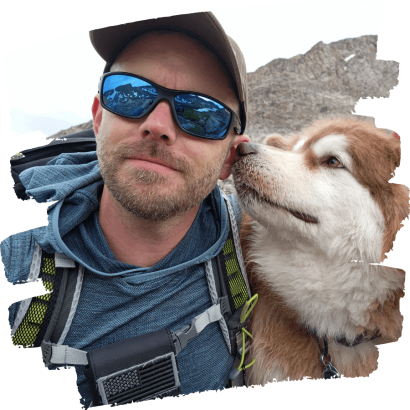
Ryzodus is a revenue systems architecture & engineering group based in Montana led by Ryan J. Barr.
It helps businesses understand, build, stabilize, and evolve the technical systems behind revenue: websites, CRMs, automations, attribution, reporting, and the decisions that depend on them.
Why Ryzodus Was Forged
Modern businesses are increasingly run by systems they do not fully understand.
A company may have a website, forms, analytics, a CRM, automations, reports, and sales processes, but no single person holds the whole map. Each tool may function on its own while the system as a whole becomes fragile.
Leads disappear. Attribution becomes guesswork. Automations conflict. Dashboards stop matching reality. Teams lose confidence in the infrastructure they depend on.
Ryzodus exists to solve that problem.
The work is not simply building websites, configuring CRMs, or fixing automations. Those are expressions of the deeper work: helping organizations stop operating from confusion and start operating from understood systems.
Ryzodus brings coherence to the technical systems behind revenue by mapping how signals move, where truth lives, and where the system needs clearer structure before the business can make better decisions.
How the Forge is Different
Most providers complete work inside a single tool. Or across tools with no ownership or responsibility.
Ryzodus works across the system the tools belong to.
Ryzodus takes technical ownership across the stack so changes can be understood, controlled, and made with context.
A website change is not only a website change if it affects tracking, forms, lead source data, CRM records, automations, or reporting. A CRM field is not only a field if sales process, attribution, dashboards, and follow-up logic depend on it.
That is why Ryzodus starts by understanding & fully modeling the system before changing it.
Understand The System
Map what exists, how data moves, where truth lives, and what depends on what.
Make A Controlled Change
Change the system with context, not as an isolated ticket.
Observe What Changed
Watch the result across the connected system, not only inside one tool.
Update The Model
Capture what was learned so understanding does not disappear between work sessions.
Improve The Next Pass
Use the updated understanding to make the next change cleaner, safer, and faster.
The goal is not to add more process around the work.
The goal is to understand faster, act more precisely, and keep the system coherent as it evolves.
The Revenue Systems Ryzodus Iterates Across
Ryzodus works on the technical systems that connect demand to revenue.
The tools matter because they are where the work happens. But the work is not defined by the tools. It is defined by how those tools behave together.
Website Systems
WordPress, Elementor, structured content, page architecture, forms, tracking, technical SEO, migration planning, and conversion paths. The website is treated as revenue infrastructure, not just a public-facing design surface.
CRM Architecture
Salesforce, HubSpot, ActiveCampaign, fields, pipelines, lifecycle stages, ownership rules, automation logic, reporting structures, and source-of-truth decisions. The CRM is treated as the system of record for revenue activity, not just a database.
Automation and Integrations
Zapier, APIs, form-to-CRM flows, lifecycle automations, routing logic, notifications, enrichment, cleanup, and handoff points between systems. The goal is not more automation. The goal is automation that reflects how the business actually works.
Attribution and Tracking
UTMs, source capture, analytics, campaign context, lead source logic, and the connection between website behavior and CRM-level understanding. Attribution is treated as a system design problem, not a reporting afterthought.
Reporting and Signal Interpretation
Dashboards, reports, data cleanup, field consistency, and the underlying logic that determines whether numbers can be trusted. Reporting only helps when the system beneath it is coherent enough to tell the truth.
Forms, Lead Capture, and Routing
The entry points where demand becomes data: forms, calls-to-action, lead routing, qualification logic, notifications, follow-up paths, and handoffs between website, CRM, and team process.
System Modeling and Impact Analysis
A maintained working model of the stack: what exists, how the pieces connect, what depends on what, where risk lives, and how a proposed change might affect the rest of the system.
This is how Ryzodus reasons through questions like what might break, where a new feature belongs, or whether an automation is solving the real problem.
Models are not "AI." They are structured understanding of a business's actual system, forged into a form that can be reviewed, questioned, maintained, and used to make better decisions with AI.
Technical Ownership
The connective layer across all of it: understanding what exists, how it behaves, what depends on it, what should change, and what should not be touched until the system is clearer.
The tools matter because they are where the work happens. But Ryzodus is not a WordPress, Salesforce, HubSpot, or Zapier shop by itself.
Ryzodus works wherever the revenue system touches reality: where demand enters, where data moves, where decisions are made, and where the business needs the system to be trustworthy.
To learn more about the services Ryzodus offers click here or request a proposal.
About Ryan J. Barr
My way of working did not start with websites, CRMs, or marketing platforms. It started earlier, with a lifelong interest in computers, strategy games, science fiction, systems, maps, patterns, and consequences.
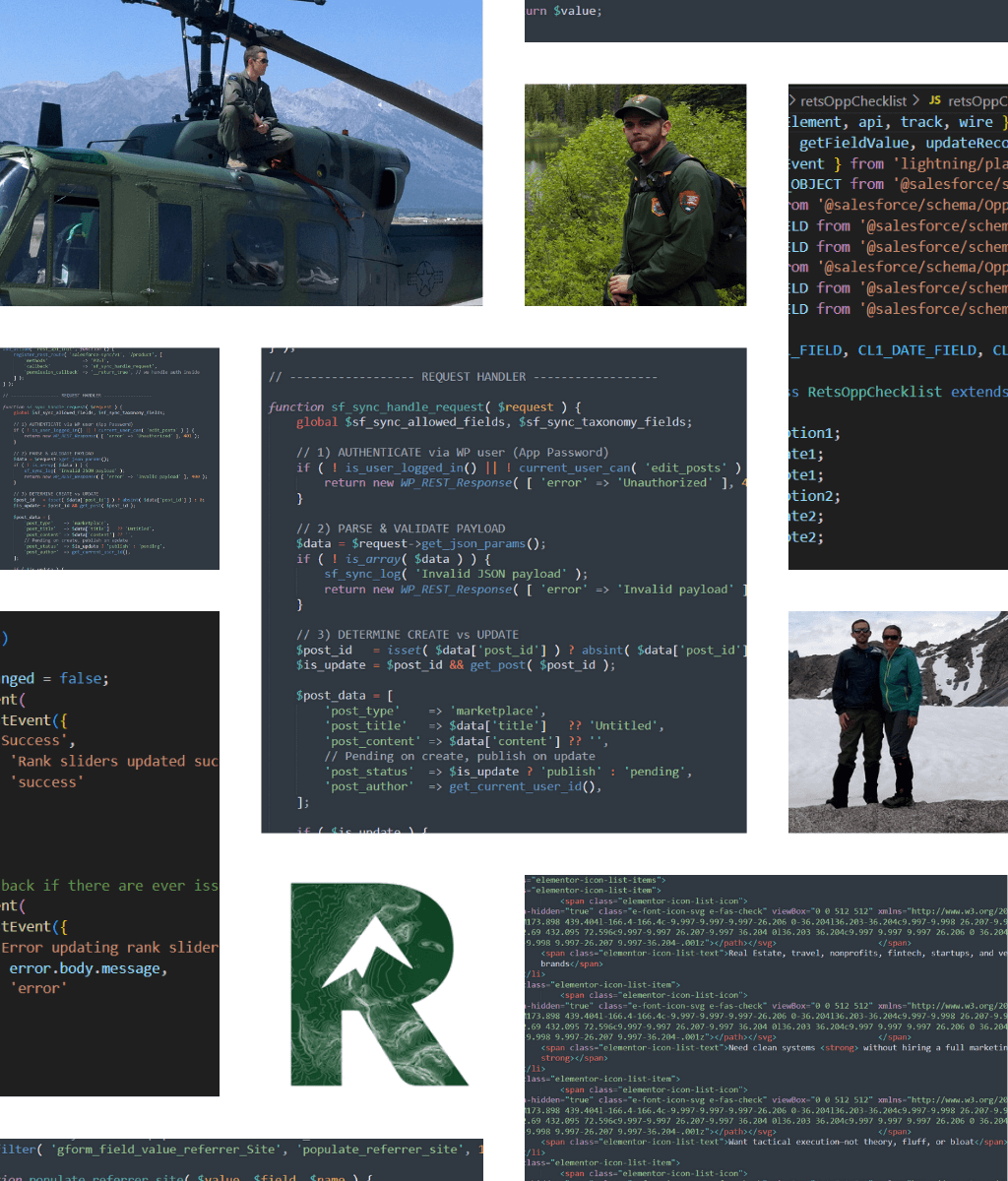
That instinct was sharpened in the U.S. Air Force, where I entered at 17 and served as an airborne UH-1N Flight Engineer supporting nuclear security and search-and-rescue missions.
Being an “F.E.” meant operating inside complex systems where details mattered, context mattered, and decisions had consequences. In tactical training, seeing the broader battlespace from the back of a helicopter reinforced a way of thinking that still shapes the work today: understand the terrain, watch how the pieces move, identify risk early, and act without losing the larger picture.
That background did not turn into a generic consulting story. It turned into a practical operating style.
I am drawn to clarity, feedback loops, controlled action, and technical ownership. I am not interested in adding meetings for their own sake or turning every system problem into a vague process discussion.
When I work inside a revenue system, I do not rely on memory or surface familiarity. I build and maintain a structured understanding of the system: the website, CRM, automations, attribution logic, reporting, business rules, known issues, and unknowns.
That is what makes the work different.
The goal is not just to complete the next task.
The goal is to understand what the task touches, what depends on it, what might break, and whether the change makes the system easier or harder to operate over time.
Ryzodus is built from that temperament: systems awareness, practical judgment, and the discipline to hold the whole map while still moving the work forward.
Ryan holds or has completed certifications and training across platforms including Salesforce, HubSpot, Ahrefs, and Google Analytics, alongside years of hands-on WordPress, CRM, automation, and reporting work.
The Name, The Forge, and the Operating Style
Ryzodus is an invented name
It came from wanting something distinct: something that suggested rising, movement, and old-world weight without being tied to a narrow service category. I did not want a name that sounded like another marketing agency, web shop, or CRM consultancy. I wanted room to build a practice around systems, terrain, and technical ownership.
The forge language comes from the same place.
Good revenue systems are not assembled by randomly stacking tools together. They are shaped. Tested. Hardened. Adjusted under pressure. A useful system has to survive real business conditions: changing teams, messy data, shifting campaigns, imperfect handoffs, and new decisions that were not imagined when the system was first built.
That is why I think in terms of forged systems and working models.
A useful revenue system is not just built once and handed off. It has to be understood, tested, refined, and maintained as reality changes. The model matters because better decisions come from better context.
AI can support that work, but only when it is grounded in a structured understanding of the system. I do not use it as a shortcut for guessing. I use various AI’s as reasoning partners against a model that has been forged, checked, and improved over time.
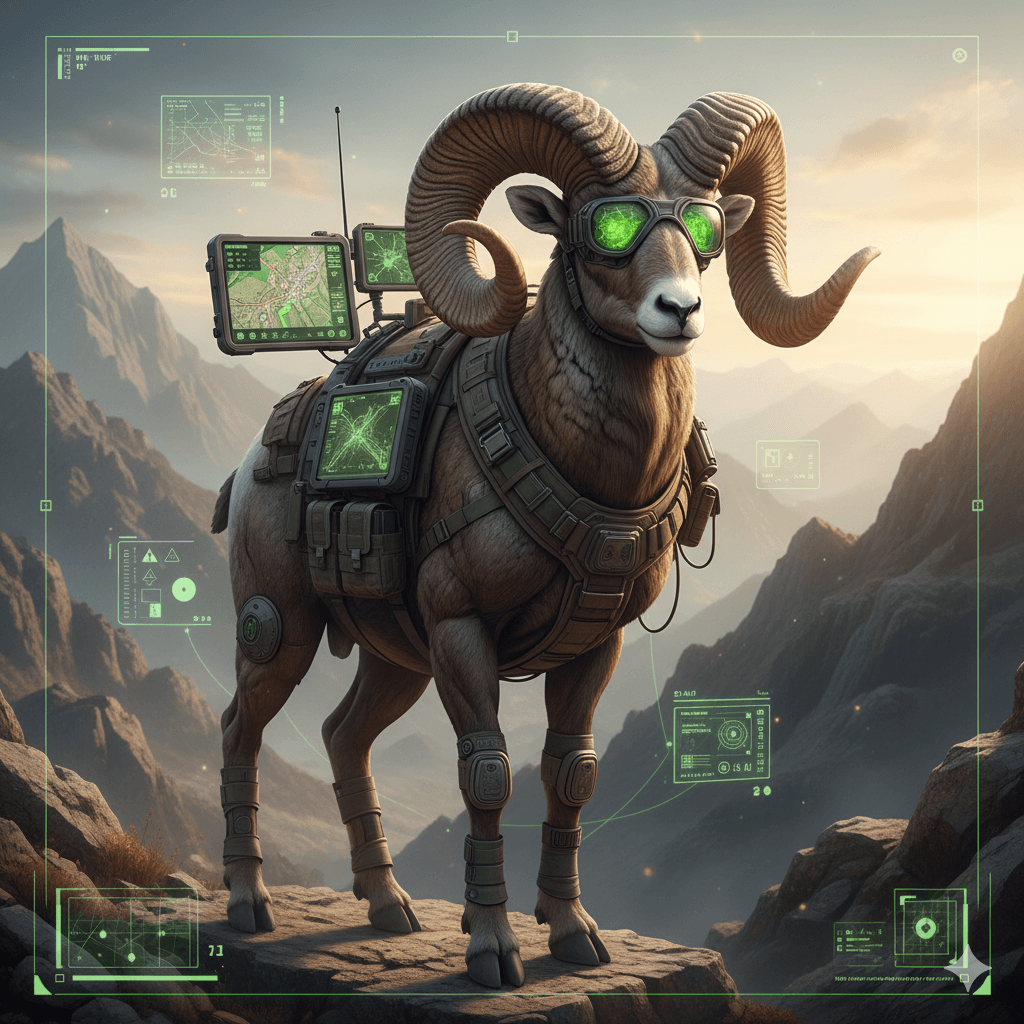
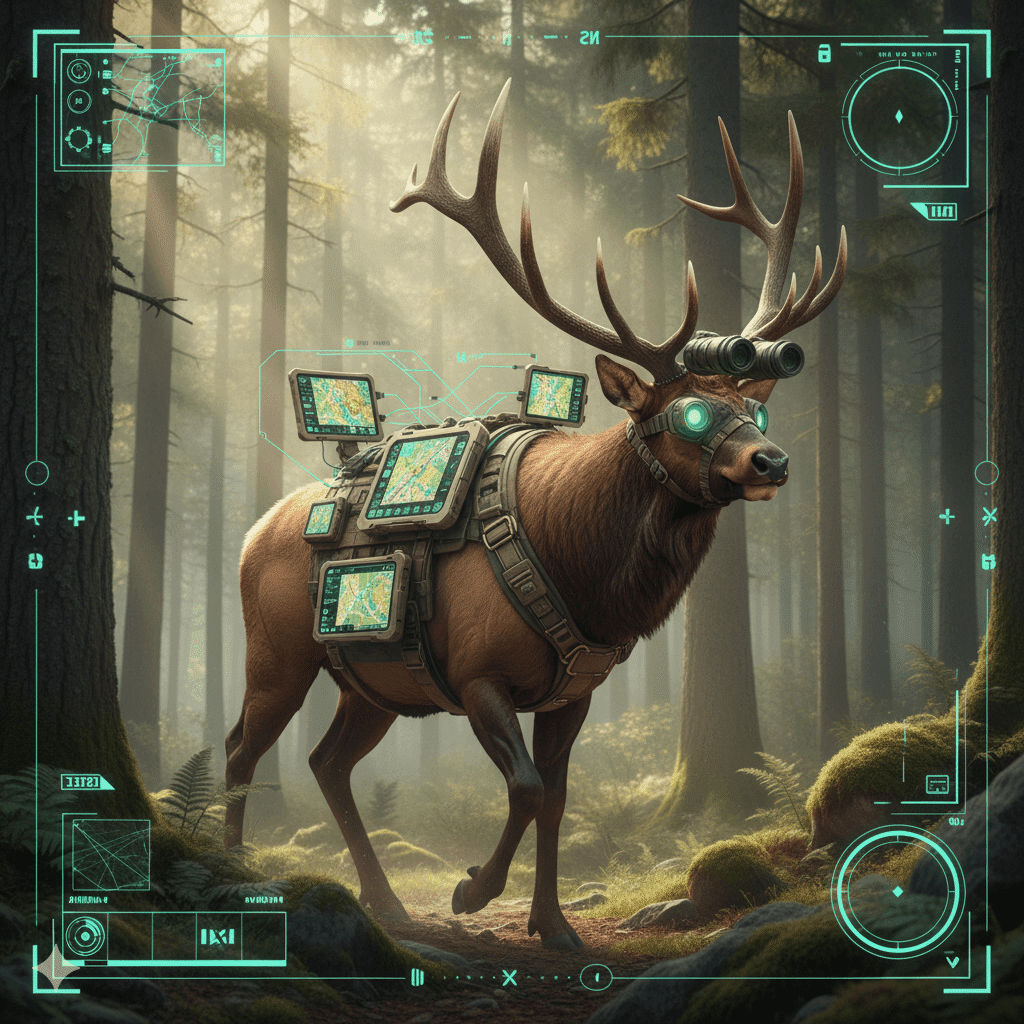
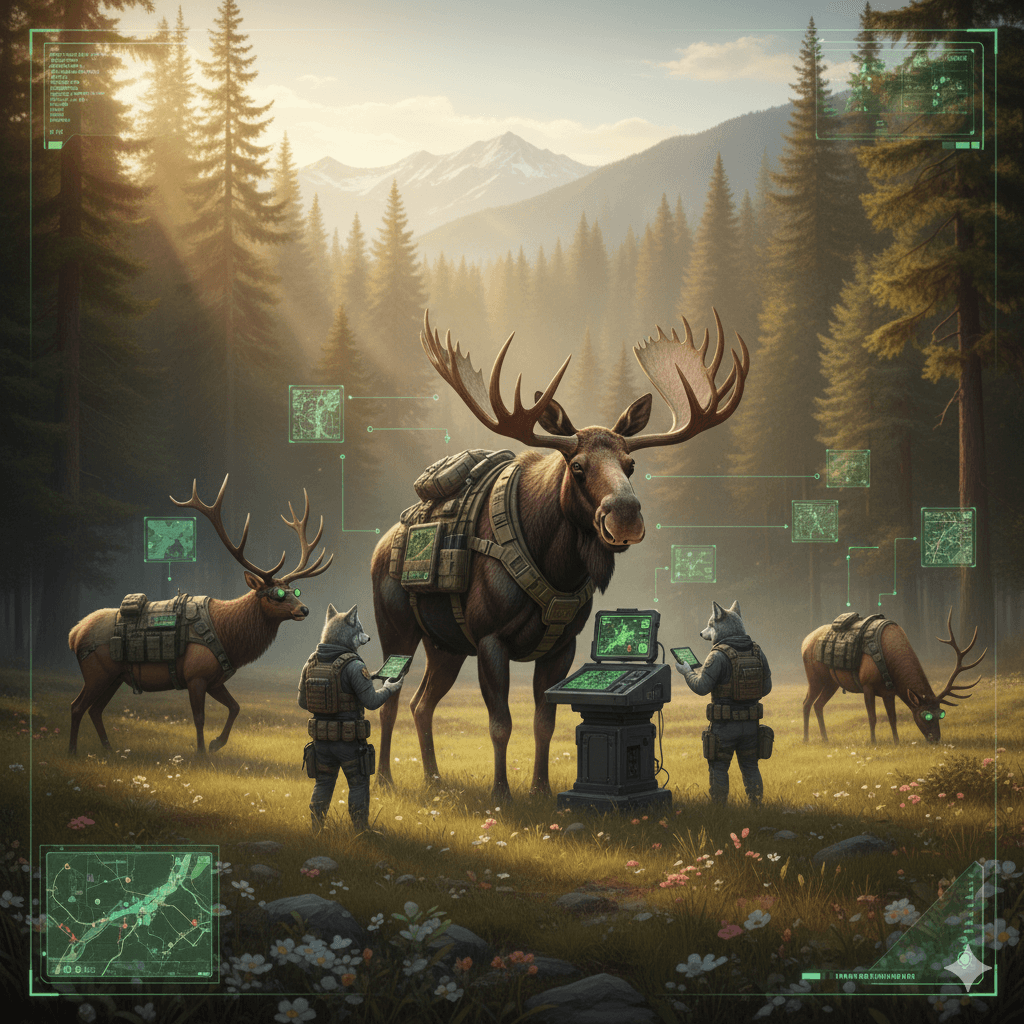
The Wildlife and tactical field-system imagery...
The tactical wildlife branding is more personal, but it is not random.
It blends three parts of my background and temperament.
First, my military background. I served in the U.S. Air Force in environments where situational awareness, readiness, discipline, and systems under pressure mattered.
Second, my love of wilderness, mountains, and public lands. I studied parks, recreation, and tourism management because that world matters to me. Terrain, weather, maps, risk, and movement through difficult environments have always felt natural.
Third, the way I work technically. Revenue systems are their own kind of terrain. There are signals, blind spots, fault lines, routes, dependencies, and places where a wrong step can create downstream problems.
So the animals, field gear, night vision, glowing screens, and mountain landscapes are visual shorthand.
They represent capable operators working inside complex terrain with the right tools, the right map, and enough awareness to move carefully without moving slowly.
It is intentionally different from polished agency branding. Ryzodus is not trying to look like a generic consulting firm with abstract blue shapes and stock photos of handshakes. That kind of branding is boring. More importantly, it does not say anything about how the work actually gets done.
The operating style is more like field intelligence for revenue systems:
- Understand the terrain.
- Read the signals.
- Make a controlled move.
- Observe what changed.
- Update the map.
- Keep improving the system.
WhoRyzodus is Built For
My way of working did not start with websites, CRMs, or marketing platforms. It started earlier, with a lifelong interest in computers, strategy games, science fiction, systems, maps, patterns, and consequences.
That instinct was sharpened in the U.S. Air Force, where I entered at 17 and served as an airborne UH-1N Flight Engineer supporting nuclear security and search-and-rescue missions.
Being an “F.E.” meant operating inside complex systems where details mattered, context mattered, and decisions had consequences. In tactical training, seeing the broader battlespace from the back of a helicopter reinforced a way of thinking that still shapes the work today: understand the terrain, watch how the pieces move, identify risk early, and act without losing the larger picture. Working synergistically as a team.
That background did not turn into a generic consulting story. It turned into a practical operating style.
I am drawn to clarity, feedback loops, controlled action, and technical ownership. I am not interested in adding meetings for their own sake or turning every system problem into a vague process discussion.
When I work inside a revenue system, I do not rely on memory or surface familiarity. I build and maintain a structured understanding of the system: the website, CRM, automations, attribution logic, reporting, business rules, known issues, and unknowns.
That is what makes the work different.
The goal is not just to complete the next task.
The goal is to understand what the task touches, what depends on it, what might break, and whether the change makes the system easier or harder to operate over time.
Ryzodus is built from that temperament: systems awareness, practical judgment, and the discipline to hold the whole map while still moving the work forward.
Let's Start With the System
If your revenue system is becoming too important to manage by memory, guesswork, or disconnected fixes, the first step is not another isolated task.
The first step is understanding the system.
Where does demand enter? How does data move? What defines truth? Which automations act on that truth? Where does reporting lose trust? What should be changed now, and what should not be touched until the terrain is clearer?
Ryzodus helps answer those questions before the work becomes another workaround.
Sometimes that means stabilizing an existing stack. Sometimes it means rebuilding part of the infrastructure. Sometimes it means connecting systems that were never designed to work together. Sometimes it means building a cleaner revenue system from the ground up.
The starting point is the same:
Systems work happens above the terrain — not inside the collapse.